A NOTE ON GREENE’S CATEGORISATION OF HIS NOVELS
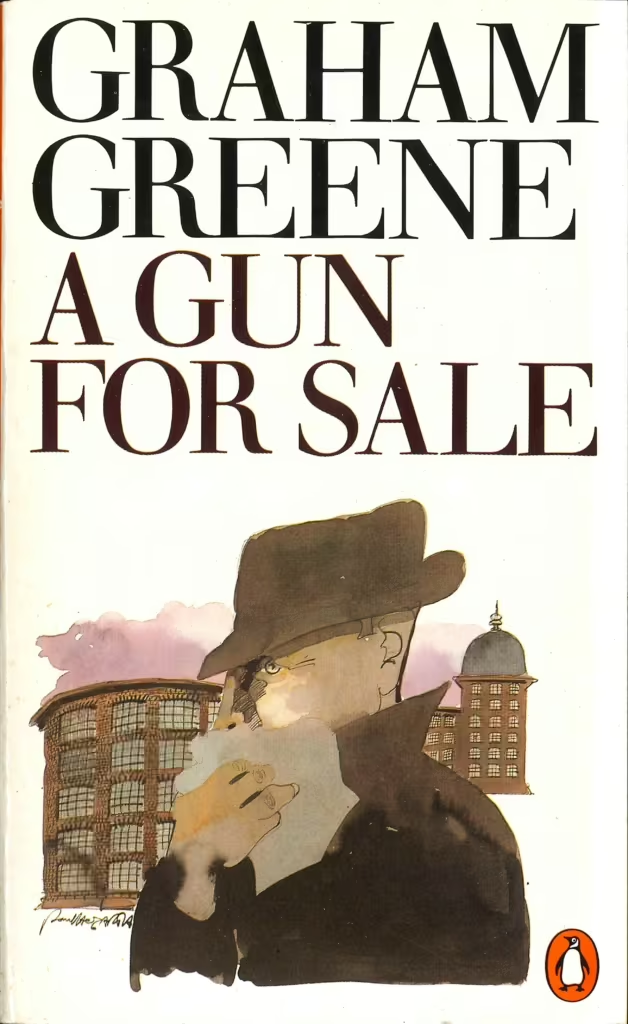
A Gun for Sale (1936) was the first of several works by Greene which he designated ‘Entertainments’. He decided to divide his longer fiction into ‘Novels’, i.e. more serious works, and ‘Entertainments’, being popular and commercial efforts. Later he abandoned this practice, and in truth the distinction is artificial; his entertainments could often be serious and his serious novels entertaining. Although Greene did not deem it as such, Our Man in Havana (1958) is considered by critics to be his final ‘entertainment’.
___________
1904: 2 October, Henry Graham Greene born St John’s, Chesham Road, Berkhamsted to Charles Henry and Marion Raymond Greene. He was the fourth of six children. Graham’s father was housemaster of St John’s, one of the houses of Berkhamsted School.
1910: November, Charles Henry Greene appointed headmaster of Berkhamsted School with effect from January 1911. The Greene family moved from St John’s to School House in Castle Street.
1918: Graham returned to St John’s as a boarder for 8 terms.
1925: Graham graduated from Balliol College, Oxford with a BA. During his time at Oxford he was the editor of The Oxford Outlook. Through his work on the student magazine he met his future wife, Vivien Dayrell-Browning, when she wrote to Greene that he had made a mistake in one of his articles. Both were 20 when they first met (contrary to many reports Vivien was his senior by two months). His novel Anthony Sant (which was never published) was completed before he graduated. Later in the year appointed a sub-editor at the Nottingham Journal. A volume of poems, Babbling April, published, but Graham later sought to track down and suppress all copies being embarrassed by his early juvenile efforts.
1926: February, Graham received religious instruction and was accepted into the Roman Catholic Church. In March he moved to London and became a sub-editor at The Times and worked there until 1930.
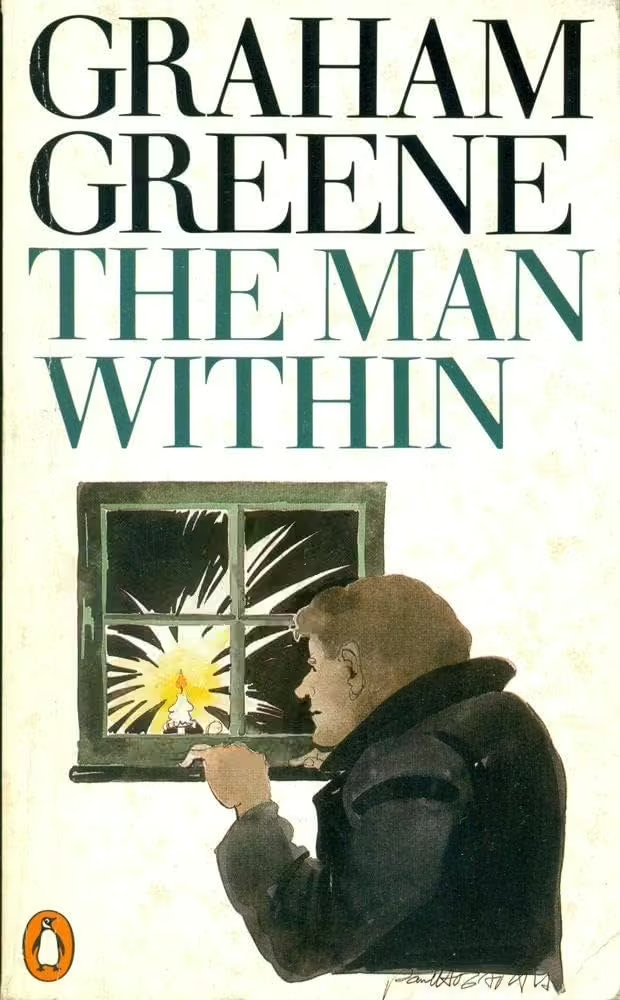
1927: October, Graham married Vivien Dayrell-Browning. The couple set up home in Hampstead. 1929: The Man Within, his first novel, published.
1930: The Name of Action (novel) published.
1931: Rumour at Nightfall (novel) published. Both The Name of Action and Rumour at Nightfall were subsequently suppressed by Greene (who thought poorly of them) and have never been re-printed. The Greenes moved to Chipping Campden on the edge of the Cotswolds.
1932: Stamboul Train (novel) published.
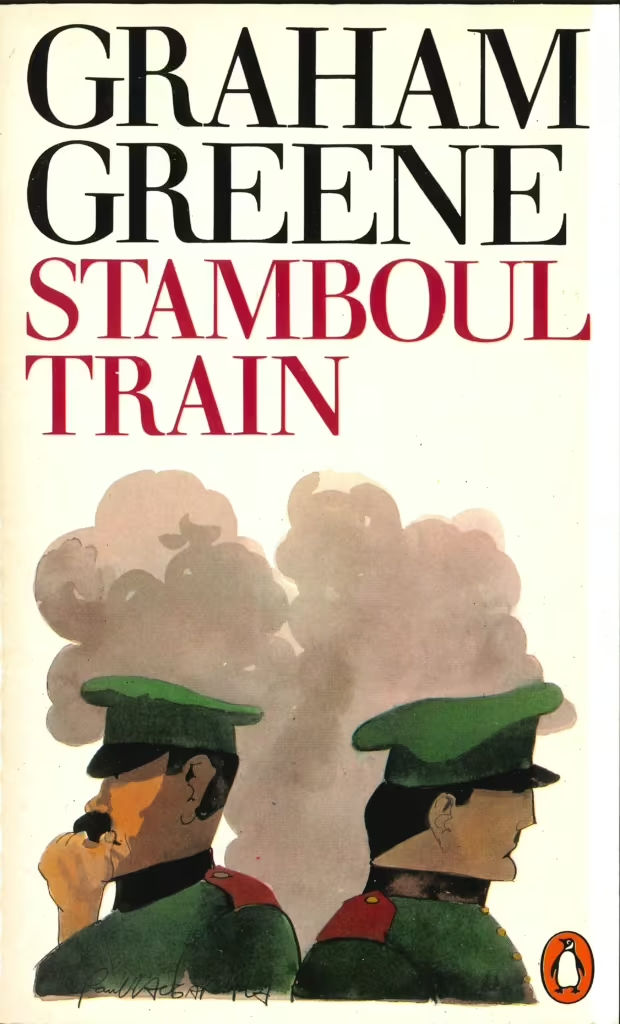
1933: June, Greenes move to Oxford. In December, Lucy Caroline, a daughter, born.
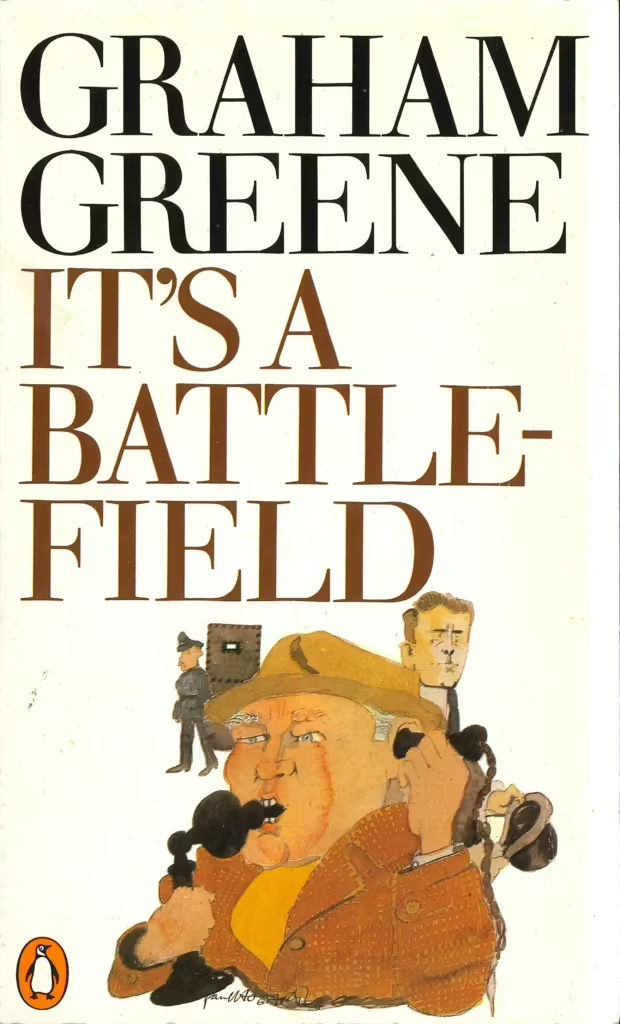
1934: It’s a Battlefield (novel) published; also The Old School: Essays by Divers Hands (essays, edited by Graham).
1935-1942: worked for the Spectator, initially as film critic and from 1940 as literary critic.
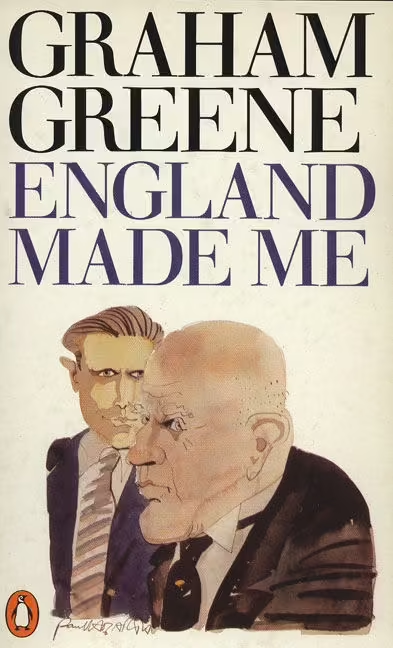
1935: The Basement Room and Other Stories (short stories) published; also published this year, England Made Me (novel) and The Bear Fell Free (novella). Also in 1935, Graham visited Liberia with his cousin Barbara, and the Greene family moved to 14 North Side, Clapham Common.
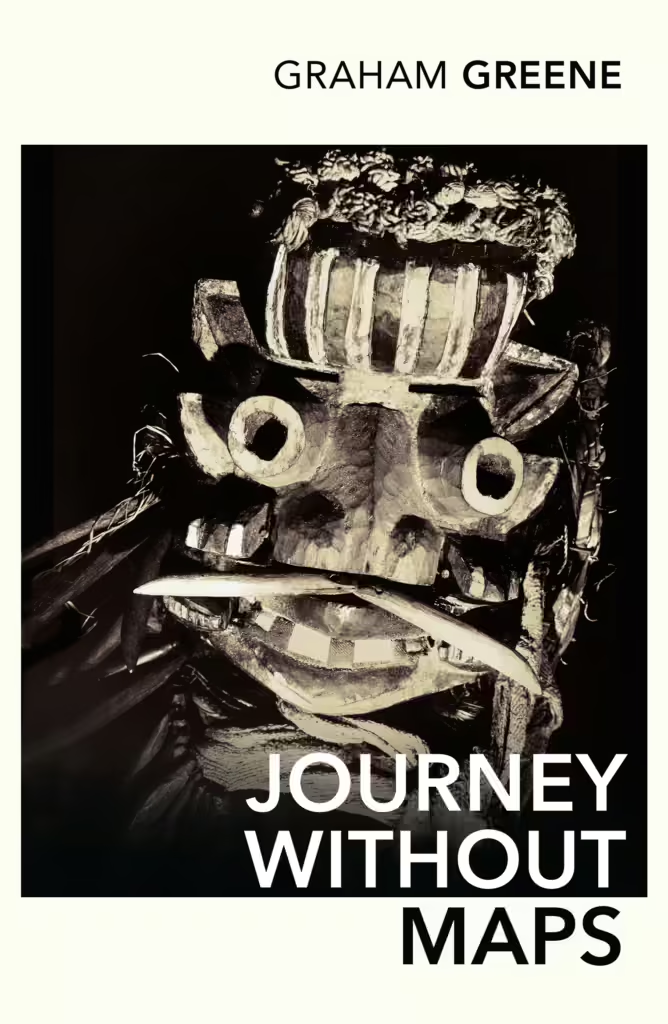
1936: A Gun for Sale (novel/entertainment) published; also Journey Without Maps (a travel book). In September, son Francis born.
1937: Graham becomes literary editor and film critic for cultural magazine Night and Day from June to December but the publication ceased after libel action launched against Graham on behalf of 9-year-old Shirley Temple.
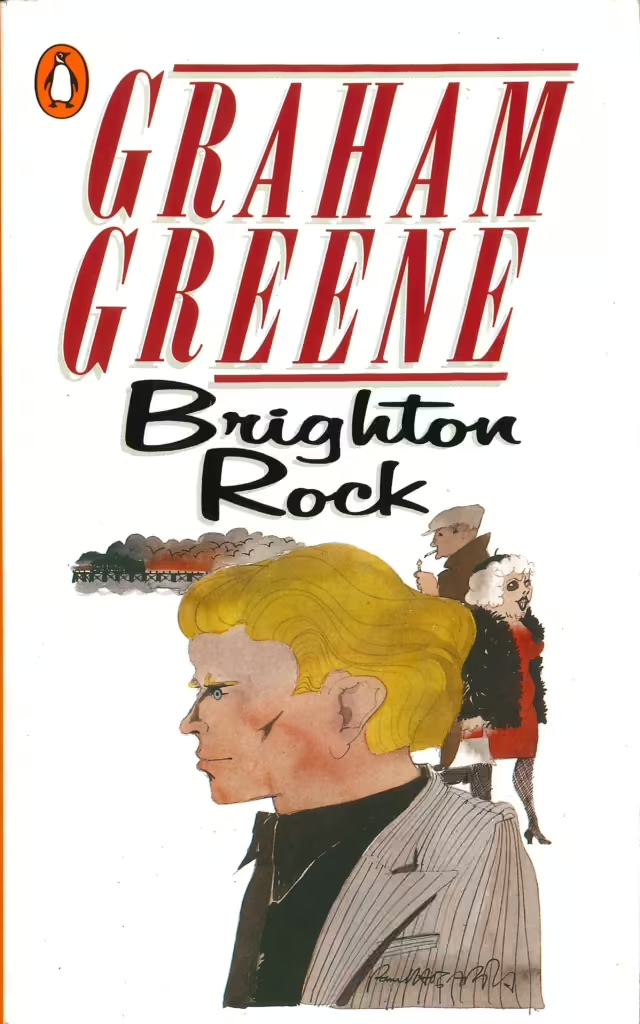
1938: Brighton Rock (novel) published; Greene visited Mexico – partly to escape the Temple furore – where he investigated alleged atrocities against Catholics.
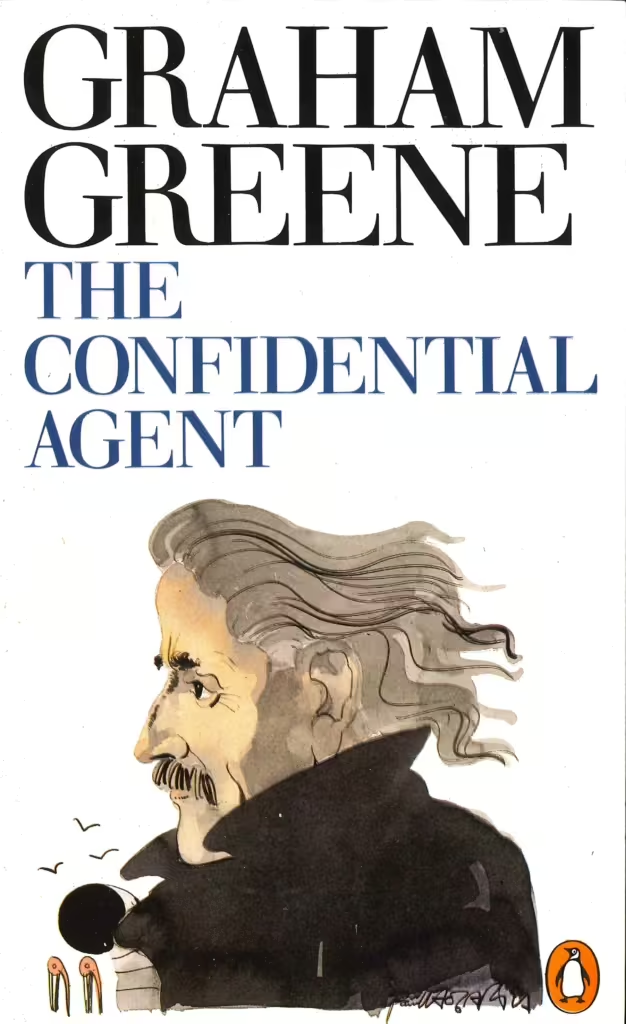
1939: Graham began an affair with Dorothy Glover with whom he would live in London, off and on, until 1948. The Lawless Roads: A Mexican Journey (travel book) published as well as The Confidential Agent (novel-entertainment). Graham’s wife and children evacuated to Crowborough; from this time on, Graham and Vivien lived separately, only meeting occasionally, with Graham staying in London with Dorothy.
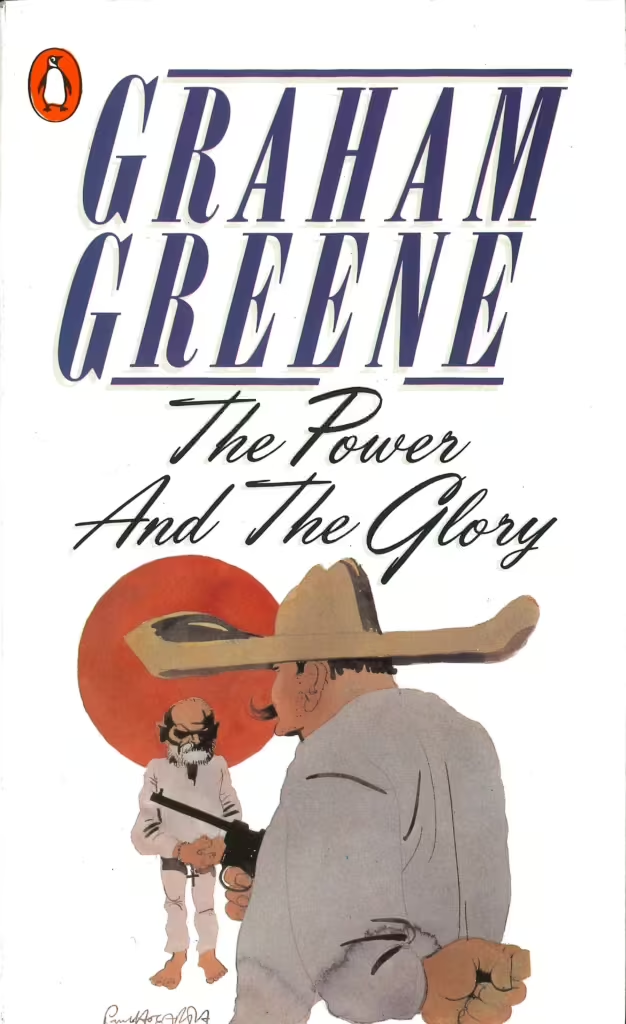
1940: Graham began work for the Ministry of Information, commissioning books and pamphlets for the war effort. The Power and the Glory (novel) published. The Greene family moved from Crowborough to Oxford where they stayed for much of the rest of the war. In October, the Greene family home at 14 North Side, Clapham, seriously damaged in German bombing and was subsequently demolished.
1941: Graham recruited into the Secret Intelligence Service (SIS, or Ml6).
1942: Graham sent to Freetown, Sierra Leone, on SIS/MI6 business. British Dramatists (essays) published.
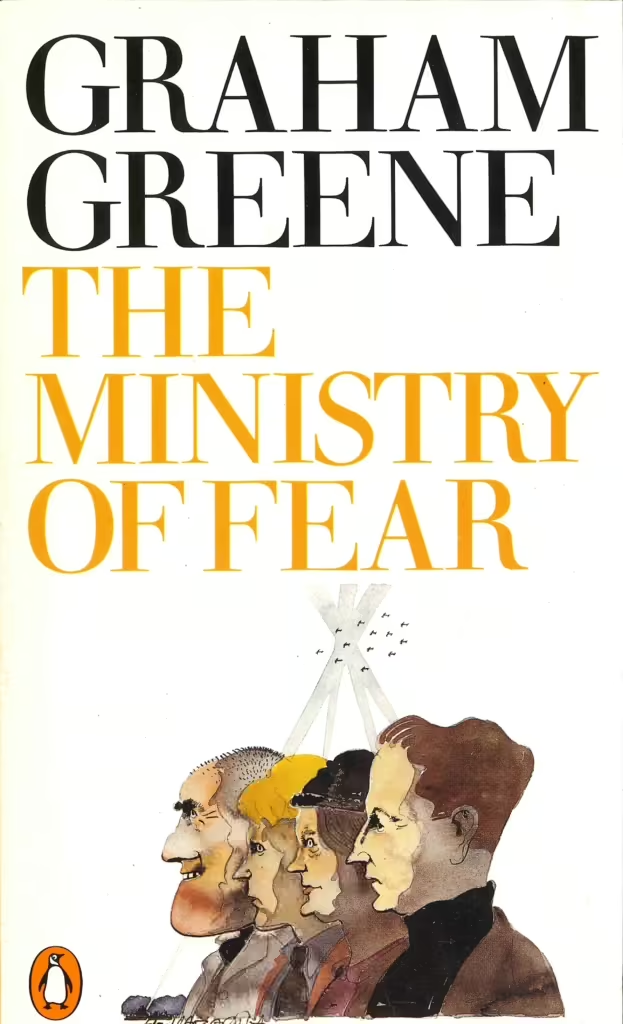
1943: Graham returned to England to a job in Section V of SIS/Ml6 at St Albans; he was assigned to Counter-Intelligence, covering the Iberian peninsula/Portugal and reported directly to Kim Philby, later exposed as a Soviet agent. The Ministry of Fear (novel-entertainment), largely written in Freetown, published.
1944: May, Graham left SIS/Ml6 but would maintain informal links with what he called ‘the old firm’ for much of the reset of his life. Appointed a director of publishers Eyre and Spottiswoode (until 1948).
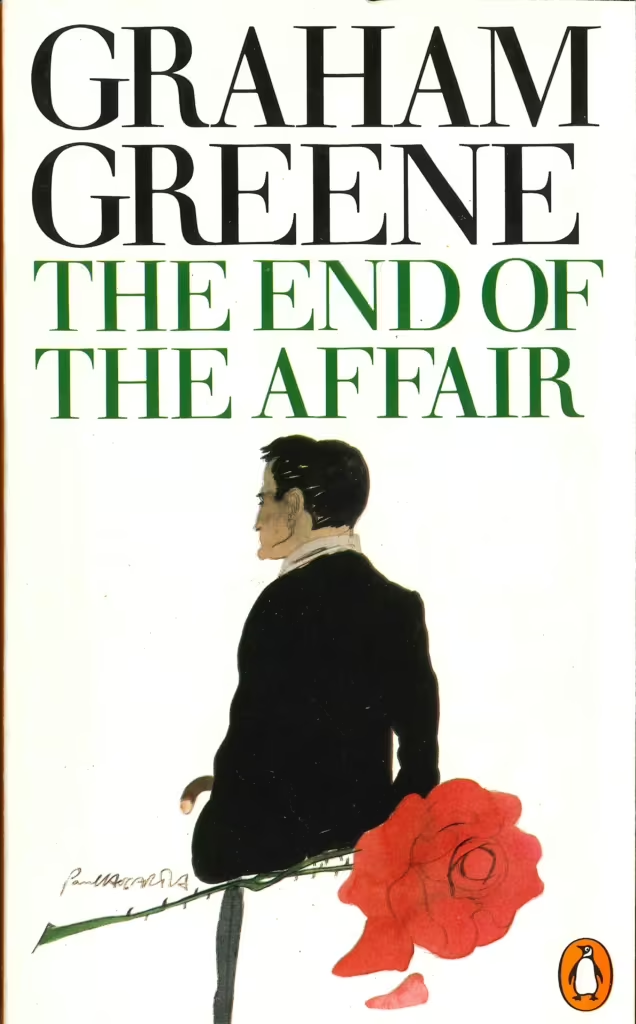
1946: The Little Train (a children‘s story in collaboration with Dorothy Glover) published; Graham began a relationship with Catherine Walston which, by early 1947, had become a full-blown affair and would inspire his 1951 novel The End of the Affair.
1947: Nineteen Stories (short stories) published.
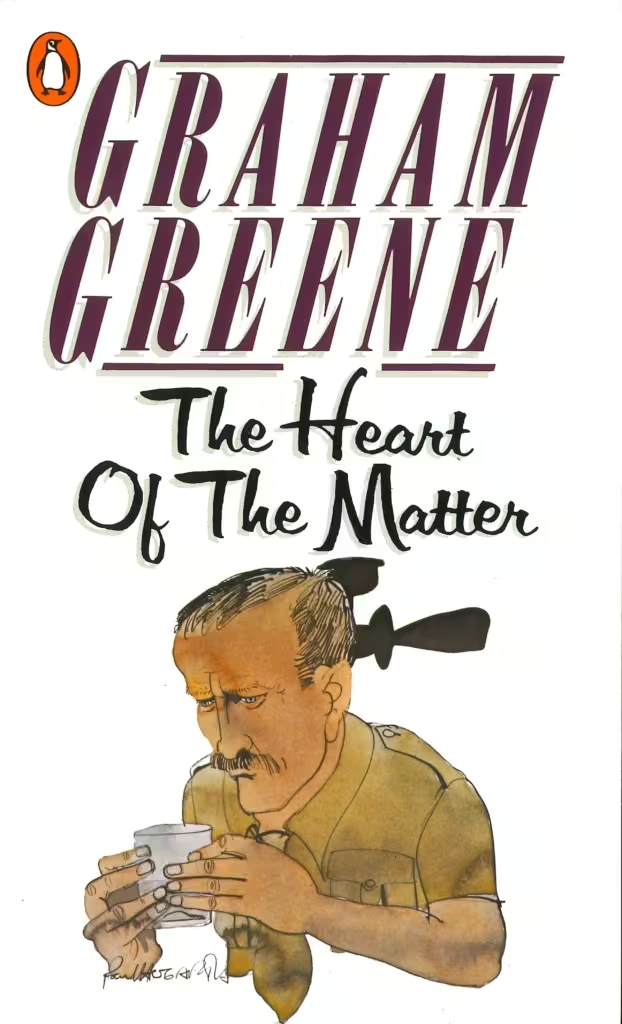
1948: The Heart of the Matter (novel) published.
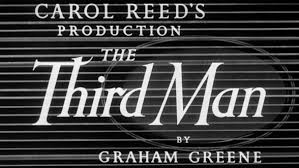
1950: The Third Man and The Fallen Idol (novella and short story) published. The Little Fire Engine (children’s story in collaboration with Dorothy Glover) published. In October, Graham visited Copenhagen and Stockholm, and in November he headed to Malaya where his brother Hugh was based during the early phase of the Malayan Emergency.
1951: The End of the Affair (novel) published, also The Lost Childhood & other Essays (essays, literary studies and autobiography). Graham visits Vietnam (January) for the first time.
1952: The Little Horse Bus (children’s story in collaboration with Dorothy Glover) published.
1953: The Little Steam-roller: a story of adventure, mystery and detection (children’s story in collaboration with Dorothy Glover) published.
1954: Twenty-One Stories (short stories) published.
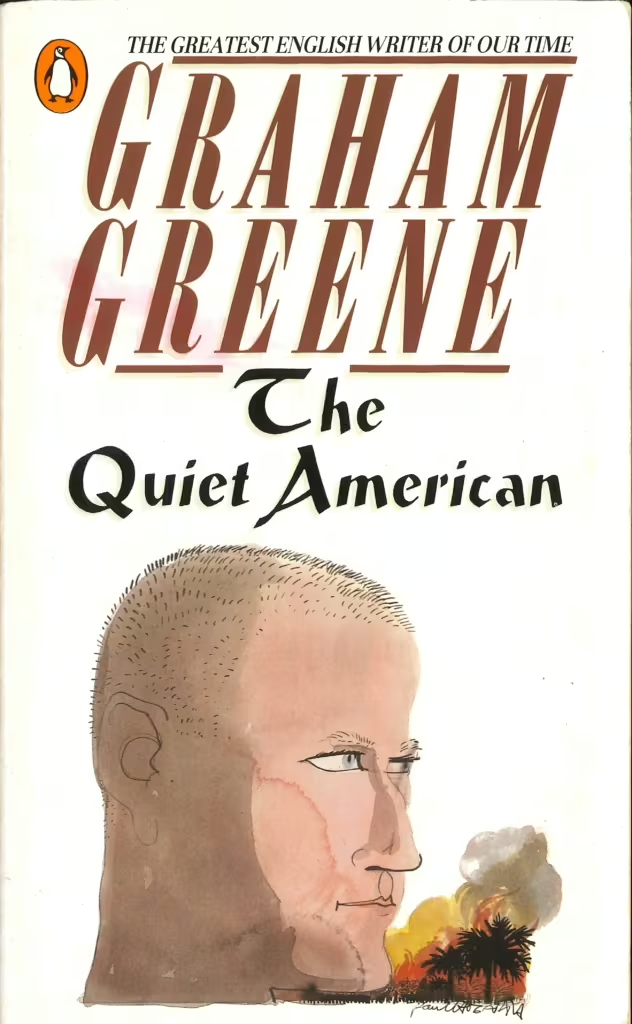
1955: The Quiet American (novel) and Loser Takes All (novel-entertainment) published.
1957: The Spy’s Bedside Book (an anthology with Hugh Greene) published.
1958: Our Man in Havana (novel) published and The Potting Shed (play) premiered. Graham appointed director of Bodley Head Publishers, London (until 1968).
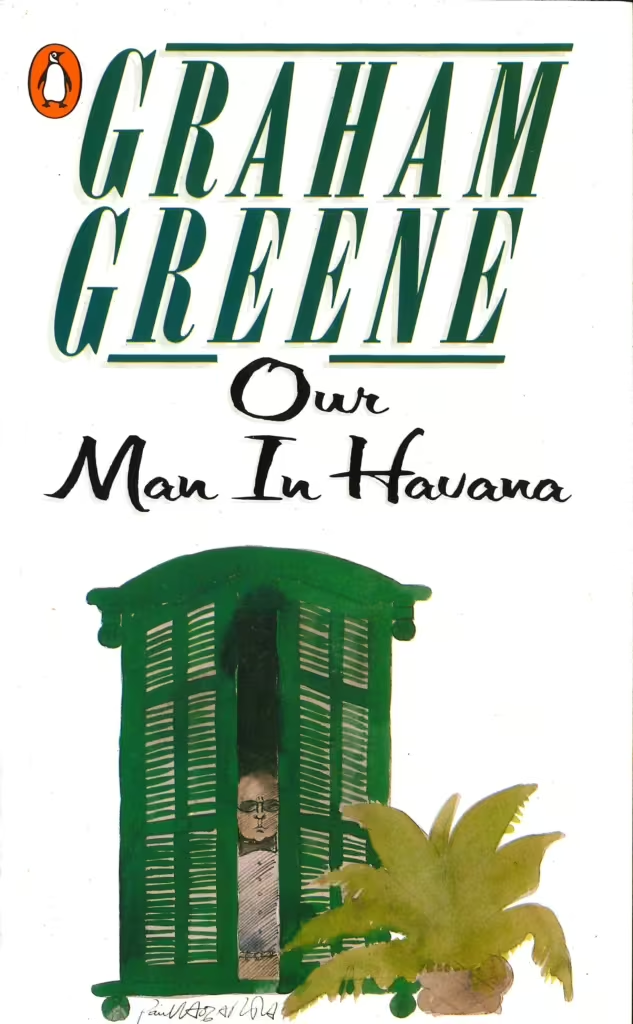
1959: The Complaisant Lover (play) premiered. Graham met Yvonne Cloetta in Dahomey, West Africa; Yvonne would be his ‘companion’ for much of the rest of his life.
1961: A Burnt-Out Case (novel) published; also In Search of a Character: Two African Journals (travel writing).
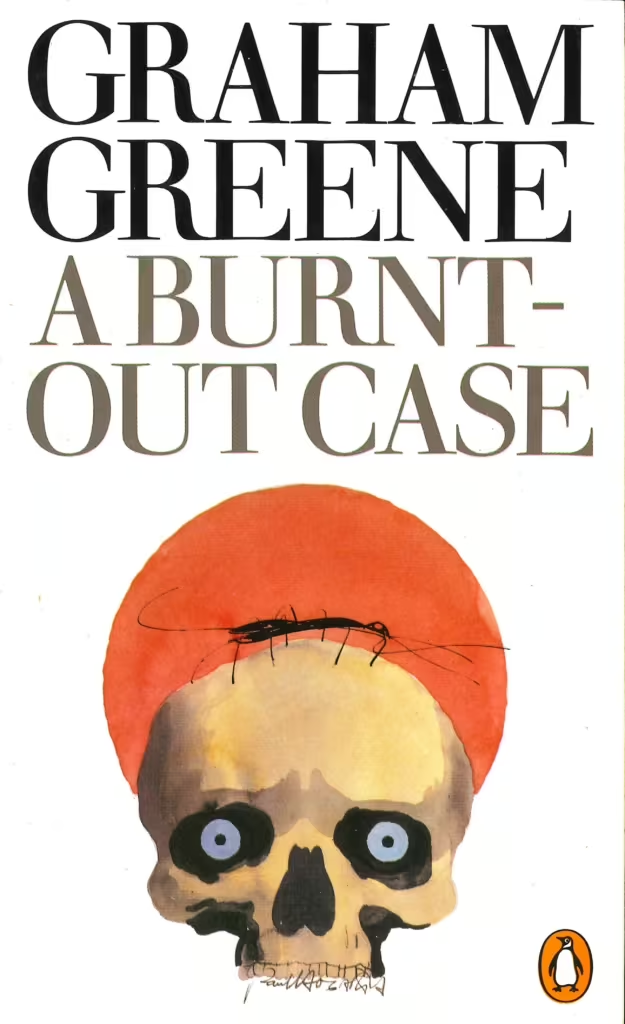
1963: A Sense of Reality (short stories) published.
1964: Carving a Statue (play) premiered.
1966: The Comedians (novel) published. Graham made Companion of Honour and moved from London to Antibes, partly for tax and financial reasons and partly to be closer to Yvonne – he would never again live in England.
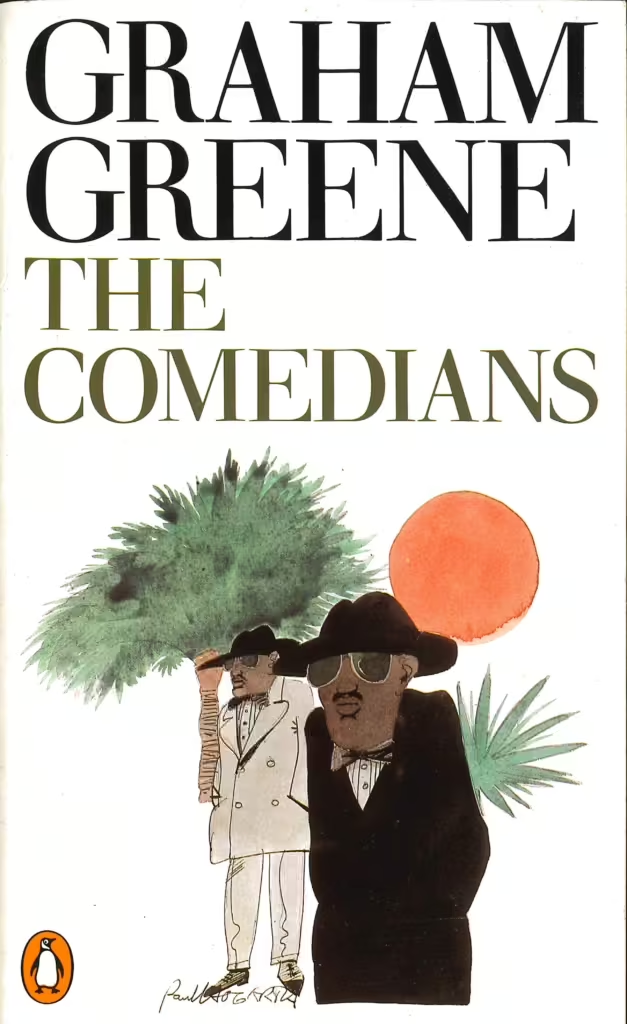
1967: May We Borrow Your Husband? And Other Comedies of the Sexual Life (short stories) published.
1969: Travels with My Aunt (novel) and Collected Essays published; Graham awarded The Shakespeare Prize by the University of Hamburg.
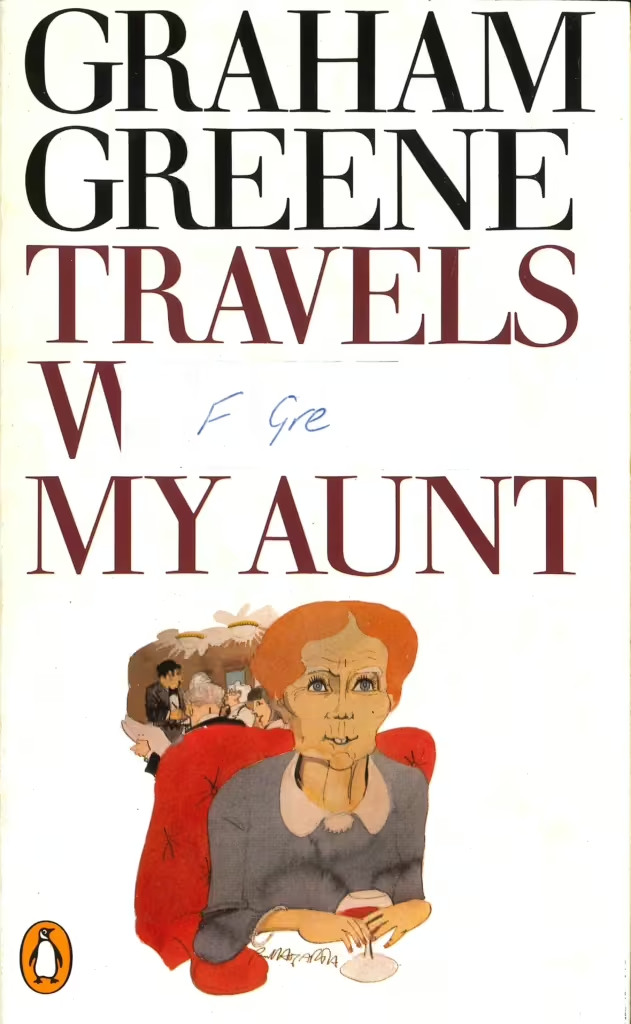
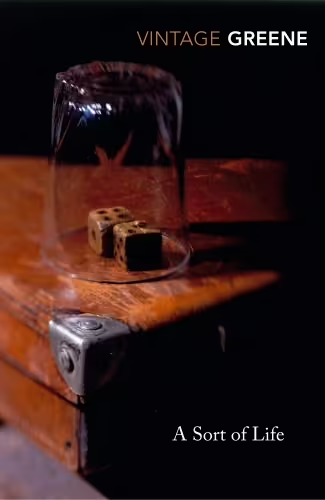
1971: A Sort of Life (autobiography, first of two volumes) published; November, Dorothy Glover died.
1972: Collected Short Stories (short stories) published.
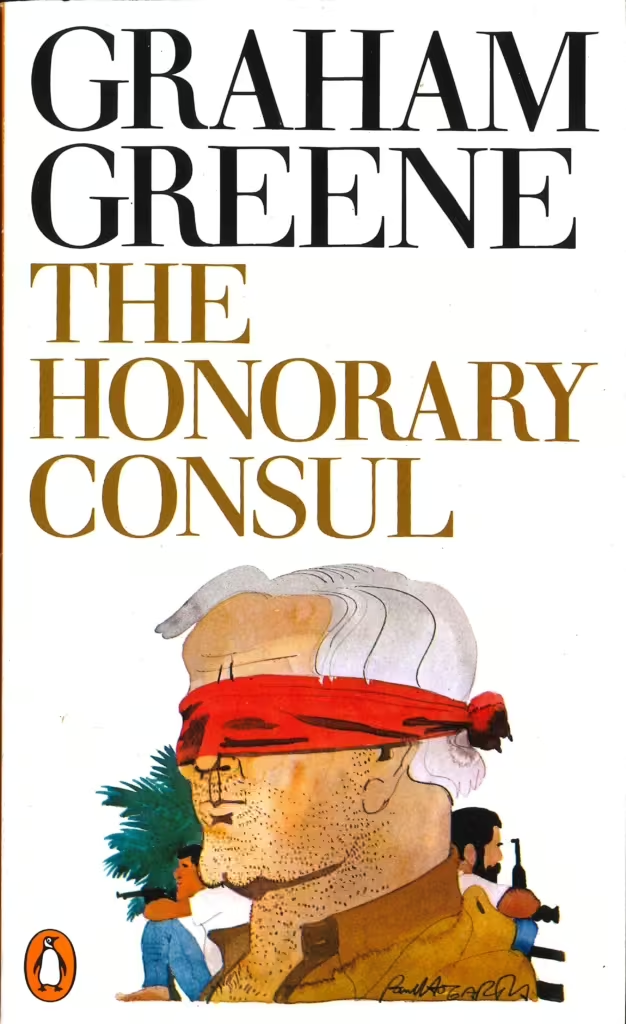
1973: The Honorary Consul (novel) published.
1974: Lord Rochester’s Monkey (biography) published. Norman Sherry appointed Graham’s official biographer.
1975: The Return of A J Raffles (play) premiered; The Pleasure Dome: The Collected Film Criticism 1935-40 published.
1977: Graham appointed member of the Panamanian delegation to Washington at the signing of the Panama Canal Treaty.
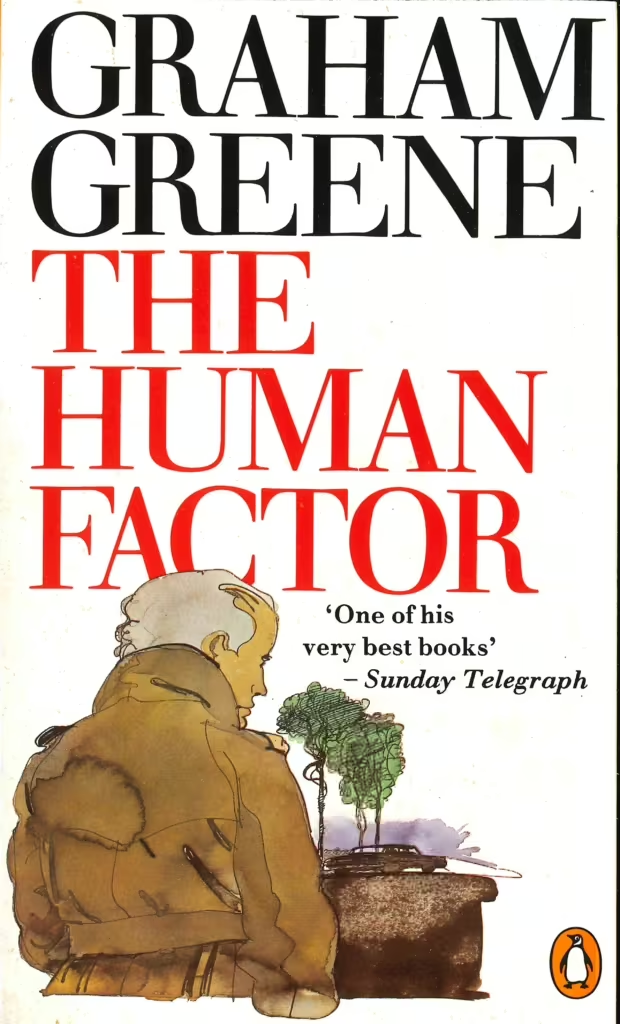
1978: The Human Factor (novel) published; in September, Catherine Walston died.
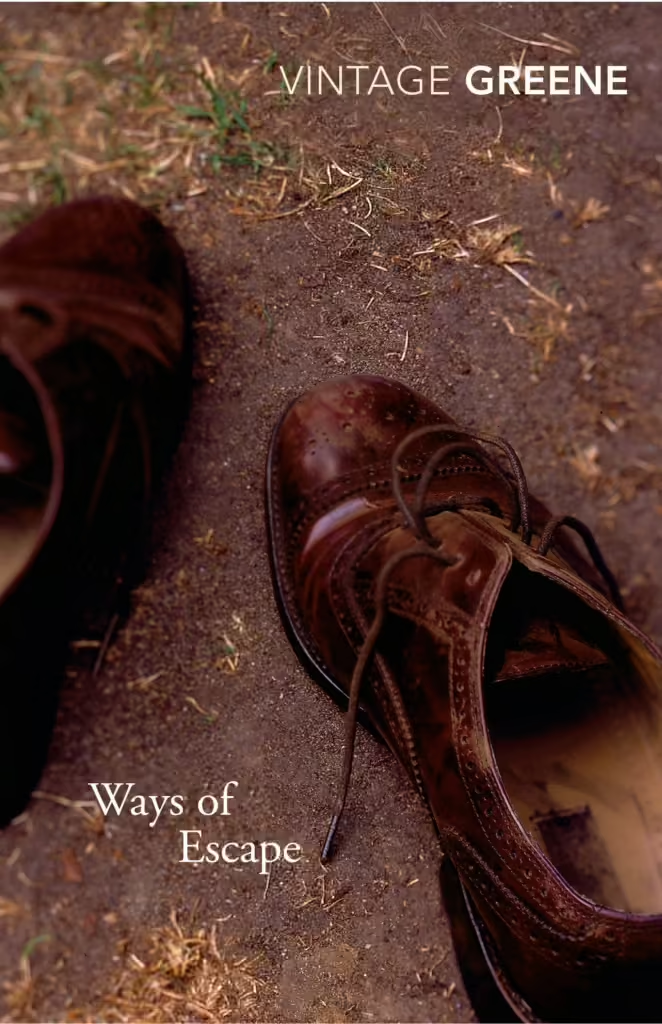
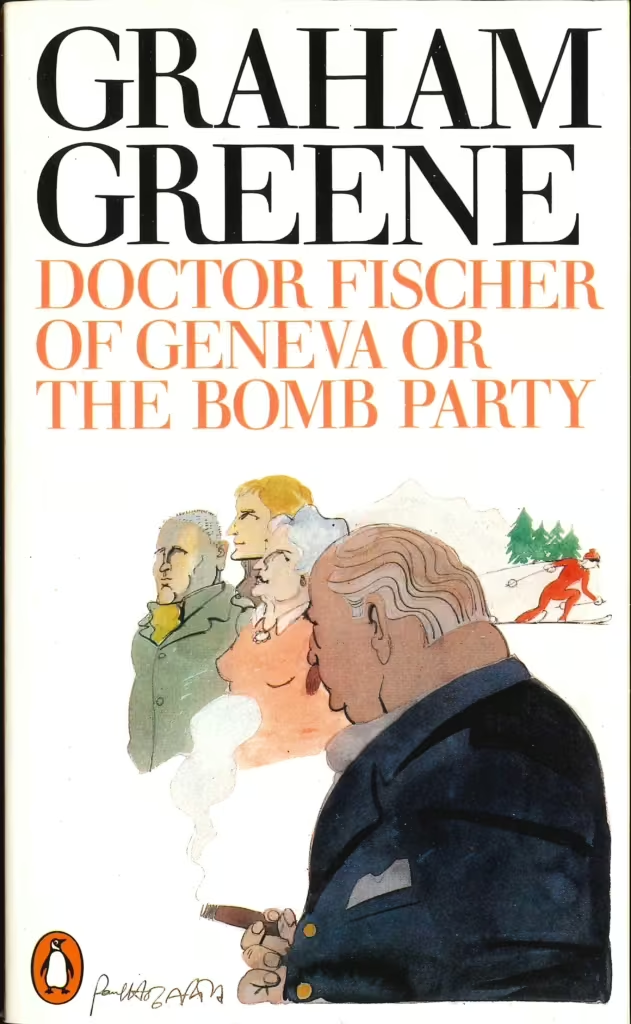
1980: Doctor Fischer of Geneva or The Bomb Party (novel) and Ways of Escape (second volume of autobiography) published.
1981: The Great Jowett (play) premiered; Graham awarded The Jerusalem Prize.
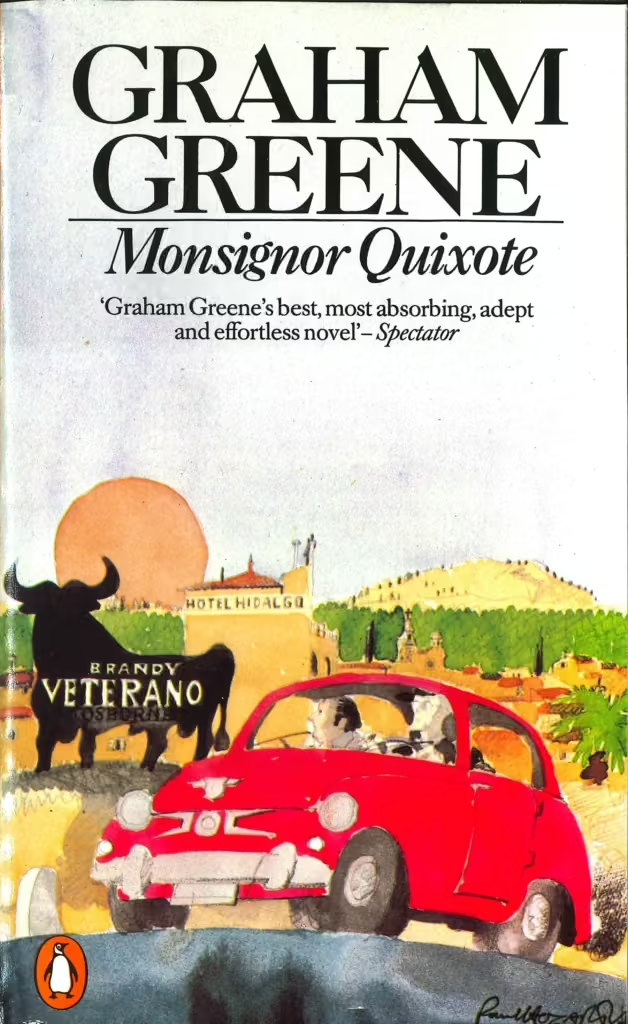
1982: J’Accuse: The Dark Side of Nice (essay) published; also Monsignor Quixote (novel) published and Yes and No and For Whom the Bell Chimes (plays) premiered.
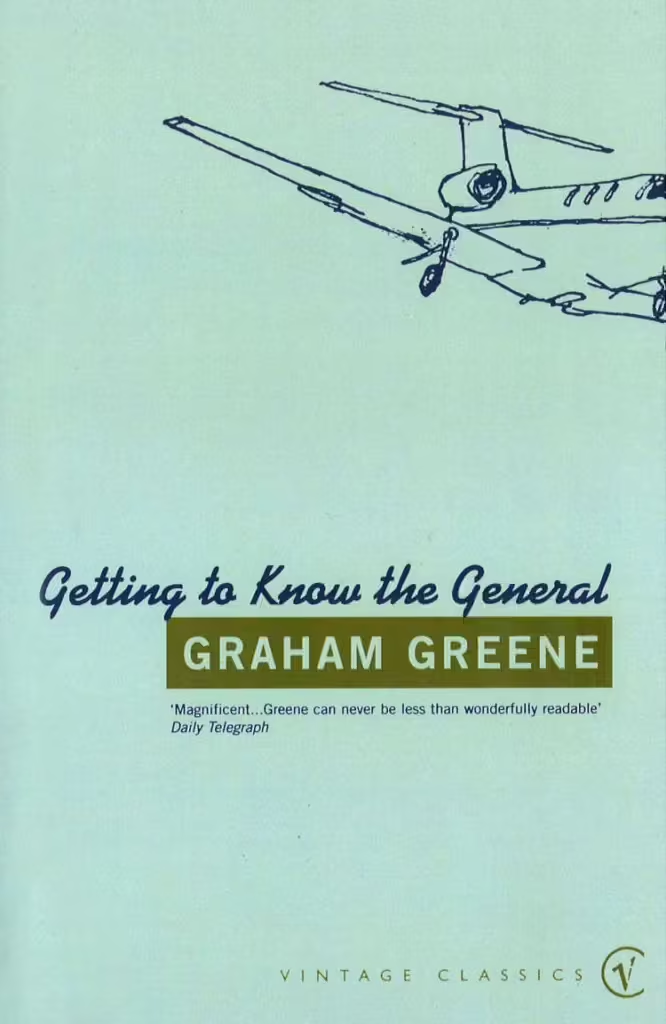
1984: Getting to know the General: the Story of an Involvement (memoir of Graham’s relationship with Panama’s General Torrijos).
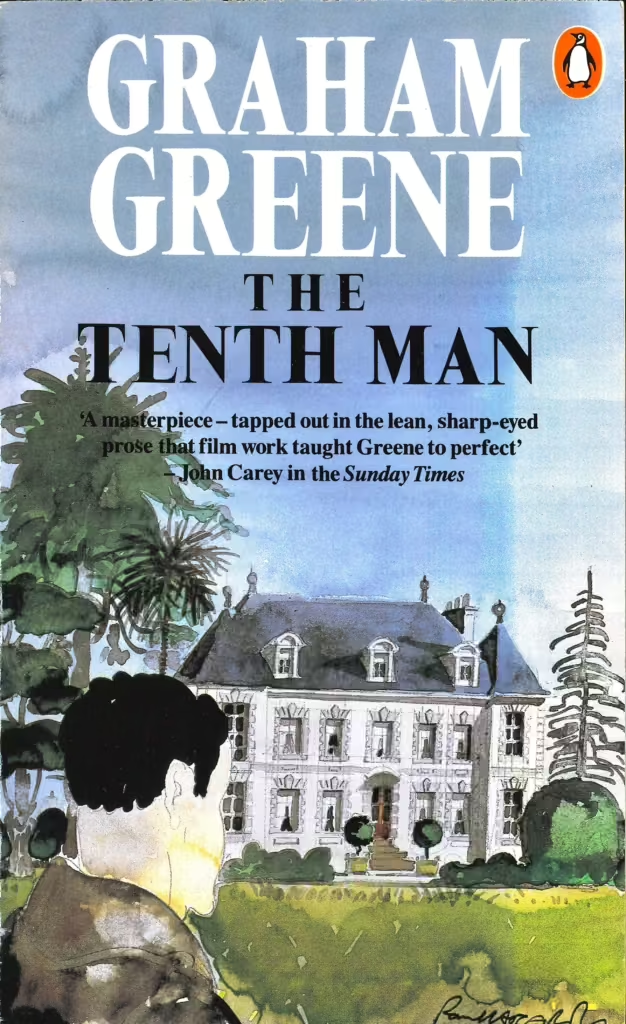
1985: The Tenth Man (novel and film treatments) published, as well as The Collected Plays of Graham Greene.
1986: Graham awarded The Order of Merit.
1988: The Captain and the Enemy (novel) published.
1989: Yours etc. Letters to the Press 1945-1989, edited by Christopher Hawtree, published.
1990: The Last Word and Other Stories (short stories) published; Reflections (essays, literary studies, prefaces, forewords, travel writing, speeches, poems, etc., edited by Judith Adamson), published.
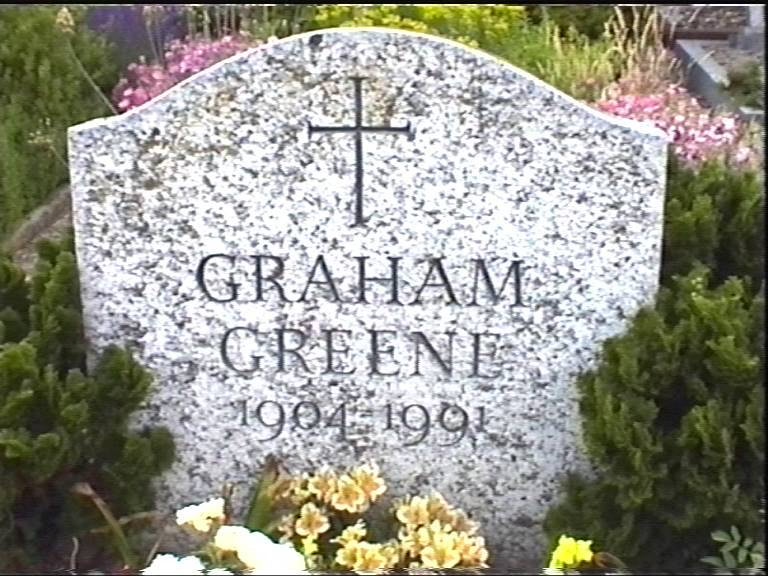
1991: April 3, Graham died in Vevey, Switzerland.
1992: A World of My Own: A Dream Diary, published posthumously.
2001: October, Yvonne Cloetta died at her home in Antibes.
2003: August, Vivien Greene died in Oxford.